
Pro Audio on Any Budget
Popular gear debunked!
Most Internet discussions about pro audio interfaces and playback systems, such as headphones and near-field monitors (speakers) will feature several people recommending the following. You will also probably see a lot of “influencers” using this gear. None of these are bad products! However, just like how you shouldn’t try to build a house with only a hammer, nor use a screwdriver to drive nails, you should know which tools are optimized for specific scenarios and use cases, and understand the weaknesses and inappropriate use cases for those tools.
- DT 770 Pro = I call this the AK-47 of headphones. They are incredibly realiable and difficult to break. They are not accurate at all. There are tons of mods for them, and they are easy to fix. They are great in the recording booth. Do not use them for mixing and mastering! They have a very “V-shaped” curve, poor response in the highs, a huge hump in the low-end, and poor sub bass. They are not bad headphones. Everyone should own a pair of DT770 Pros! Use them in the recording booth: they have good isolation, and clients and/or guests can abuse a pair of DT770 Pros with litle risk of actually breaking them. And if they do break, most repairs are easy to perform. These are the most durable headphones I have ever used, and my first pair is still going strong after nearly 20 years of use! I’ve used them as DJ headphones and they did well in that role. They are incredibly comfortable, even if you wear glasses. Do not use them for mixing, mastering, or anything where you need accuracy or “flat and neutral” headphones! Your mixes will have over-emphasized bass mid bass, and too much or too little content in the highs.
- Sony MDR-7506 = Another “V-shaped” response curve. The low-end is too boosted, and suffers from excessive distortion. The high end has peaks at about 3 kHz, 5 kHz, and 7 kHz. This often sounds like “treble harshness”. This can be useful for exposing problems in these frequency ranges. However, this makes them far from “relatively flat and neutral”. They are also relatively uncomfortable for many users. The upside of the discomfort is that you may naturally take more breaks, but most people will probably prefer to use comfy headphones and take breaks when they want to, not when they get fatigued by their headphones.
- Audio-Technica M50/M50x/M40/M40x. = See all of the above.
- KRK Rokit monitors = Visit some pro studios and see if any of them are using KRK monitors. You’ll see Gelelec, Focal, Barefoot, Adam, Yamaha, Kali, and even the higher-end KRK models, but never KRK Rokits. KRK Rokits are like the Beats headphones, Kimber .45 pistols, Technics turntables, Pioneer mixers, and Harley-Davidson motorcycles, of near-field monitors: they spend more on marketing than on actually making a solid product, and people who have never used anything better will be impressed, but those who have used better gear will notice the flaws.
- Focusrite Scarlett audio interfaces = Ask anyone who recommends these if they have used several superior options from Audient, SSL, MOTU, Topping, RME, etc. That will tell you all you need to know. Focusrite Scarlett products are notorious for broken SRC, low headphone power, high distortion, and infamously bad ASIO drivers. At the same price point, many better options exist from MOTU, Audient, SSL, Topping, ZOOM, and Arturia (just to name a few). Again, these are not bad audio interfaces, and the 4th generation Focusrite Scarlett products are much better than the previous generations. They are still far superior to, say, Behringer. However, there are so many superior options at the same price points that I recommend avoiding Focusrite Scarlett products. Note that the higher-end Focusrite products can be much better, and this advice only applies to the low-budget and entry-level Scarlett products.
Low Budget
ASIO interface (output only)
While all of these DAC/amps have no inputs, they provide impressive ASIO performance, audio quality, and power:
- JCally JM12 flashed with FiiO JA11 firmware+ FiiO official ASIO driver = an incredibly good ASIO driver, plus a DAC/amp which can drive most headphones and all IEMs, for about $10 USD.
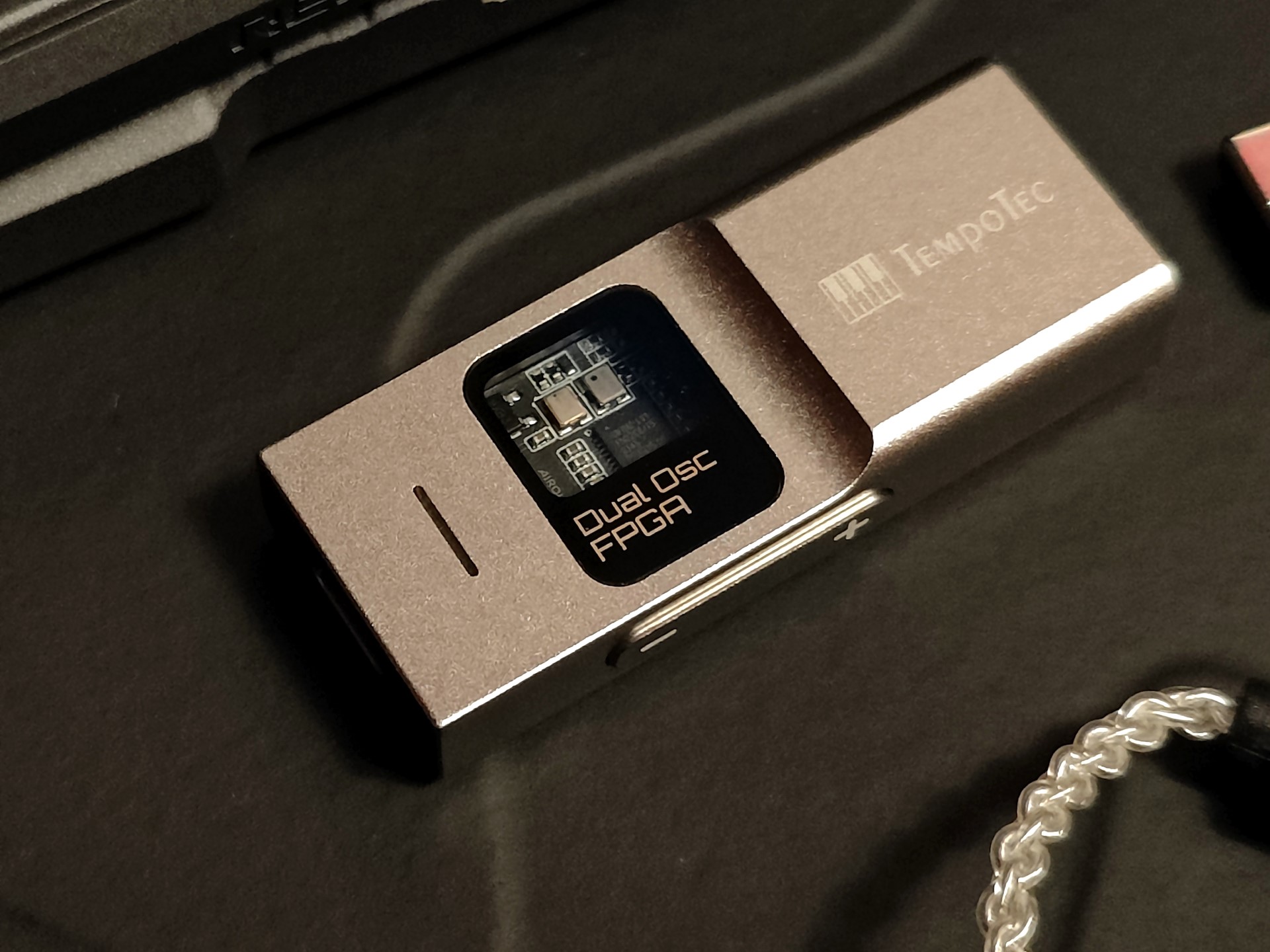
- TempoTec Sonata BHD Pro + Official ASIO driver = dual Cirrus Logic CS43198 chips pushing an incredible amount of power which can drive even the most demanding headphones. The only poor reviews on Amazon are basically “this DAC/amp uses more power than my weak phone can provide”, which is a roundabout compliment!
- DEW4X + Steinberg generic ASIO driver = One of the best dual Cirrus Logic 3.5mm unbalanced + 4.4mm balanced DAC/amps out there. It achieves better latency with the Steinberg generic ASIO driver than some competitors achieve with their official ASIO drivers!
- TRN Black Pearl + Steinberg generic ASIO driver = same reasons as the DEW4X. This is perhaps the most perfect of the dual Cirrus Logic 43xxx designs available today. The latest firmware even mitigates the “Cirrus Logic hump” and enables a highly optimized DRE algorithm, making this model superior to all other similar products with the same internal components.
IEMs
All of these IEMs are basically the same thing: incredibly close compliance with the Harman curve, relatively “flat and neutral”, superior fidelity compared to the DT770 Pro and similar highly recommended budget pro headphones, and a price point around $30 USD:
- 7Hz Zero:2
- Tanchjim Bunny
- Kiwi Ears Cadenza
Mid Budget
Audio Interfaces
- MOTU M2 = DC coupled outputs so you can use them for CV/gate
- MOTU M4 = better audio quality than the M2, plus more inputs and outputs. It’s so good I bought it twice!
- Audient iD4 MK2
- Audient iD14 MK2
- Audient iD24
- SSL 2+
- Topping E2X2, E4X4, E22 OTG, E4X4 OTG = Topping are famous for their powerful DAC/amps, and they deliver top-tier headphone outputs.
- ZOOM UAC-232 = the noise floor is not as good as some competitors, but the 32-bit floating-point format and dual ADCS make this the perfect audio interface for field recordings and high dynamic range content.
- Arturia Minifuse series = basically the same hardware as the Focusrite Scarlett equivalents, but with a better ASIO driver, from a more reliable company.
Headphones
- HD600 = the gold standard.
- FiiO FT1 Pro
- Hifiman Sundara
High Budget
- RME Babyface Pro (and literally everything from RME) = RME create their own customized USB drivers to ensure that they have the most optimized latency stats of any vendor on the planet. They support their products long beyond what anyone else offers. You could buy an RME from 10 years ago and have zero issues today. This is arguably the apex, the best that money can buy.
- Metric Halo = similar to RME, but with modular designs.
Avoid Antelope / Aardvark / whatever the third company’s name will be!
Antelope Audio is so infamous for terrible customer support and generally not supporting their products that Sweetwater had a web page explaining why they stopped carrying the company’s products. The guy who runs the company is a genius when it comes to making world-class converters. He fails at everything else. Screenshot this page when you buy Antelope Audio, and then pull it back up when you experience what every one of their customers has to deal with after a few years.
Microphones
I highly recommend using a microphone with an XLR connection, and not using USB-only microphones.
Low Budget
- Behringer ECM8000 = You will rarely encounter anyone recommending Behringer gear, but every now and then they make a product which is incredible for the price: this is one of those exceptional products. This is a popular budget microphone for REW and calibration/measurement purposes. Other options: MiniDSP UMIK-1 and Dayton EMM-6.
- Behringer XM8500
- Neat Worker Bee (and Worker Bee II) = one of the most “bang for the buck” condenser microphones.
- Neat King Bee II
- SE X1A
- SE V7
- Proar C414 = One of the most affordable yet decent AKG C414 clones.
- Blue Ember
- AKG P120
- Sennheiser E835
- Sennheiser E609 = The microphone for amp/cab recording!
Mid Budget
- Shure SM-58 = Everyone should own one of these! It’s excellent on rock/metal vocals, and can be a solid microphone for many other use cases. Famously used for pretty much all of Sematary’s vocals, for example.The SM-58’s cardioid dynamic design helps it to capture what’s directly in front of the capsule while rejecting background noise. It is legendary for being a versatile microphone that has an affordable price point and is difficult to break.
- Shure SM-57 = Basically an SM-58 without the grille over the capsule. This microphone is legendary for instrumental and vocal use. You will see it used everywhere.
- Shure Beta58A = One of the best options for a vocal microphone.
- SE 2200
- SE 4400a
- SE 4100
- AKG P420
- Austrian Audio OC16
- Rode NT1
- Warm Audio WA-47jr
High Budget
- AKG C214
- AKG C414
- Aston Origin
- Neumann TLM102
- Neumann TLM103
- Shure SM7B
- Shyure KSM32
- EV RE20
- Sennheiser MD441
- Sennheiser MD421
- Soyuz 1973 FET